
More storage. More flexibility. More control over the energy your solar system produces.
It might not be capacity at all
Before you buy modules, rule out the things that look identical to an undersized battery and cost nothing to fix.
batteryinstall.ie / expansion
Empty by ten o'clock?
That's not a fault. It's a battery sized for a smaller life than the one you're now living. Whether you can simply add modules comes down to six things — stack headroom, module matching, age gap, firmware, availability, and whether the real constraint is capacity at all.
Your existing battery
What's actually wrong
Verdict —
Pick your battery brand and we'll tell you where you stand.
Now
—
Current usable.
Room for
—
Extra modules.
Could reach
—
Full stack.
We test the existing pack before quoting. No point adding good money to a tired battery.
What we'd check before quoting
Stack limits change. The figures here are typical for each platform, not gospel — manufacturers revise them with firmware, and some older series are discontinued. We confirm against your exact model before anything is ordered.
The [fault triage wizard](/faults/) walks through all of these in about five minutes. Run it before you spend anything.
What expansion actually costs
Expansion is not proportionally cheaper than buying the capacity up front, and customers are often surprised by that. You’re paying for a second visit, second commissioning, sometimes new cabling and protection, and modules at current prices rather than the prices you paid three years ago. Expect roughly [ X% ] more per kWh than the same capacity bought originally.
Where expansion clearly wins: the original battery is healthy, still supported, and the manufacturer permits matching modules. Where it usually loses: the platform is discontinued, the generation has changed, or the inverter caps total storage below what you need.

The expansion ceiling nobody mentions
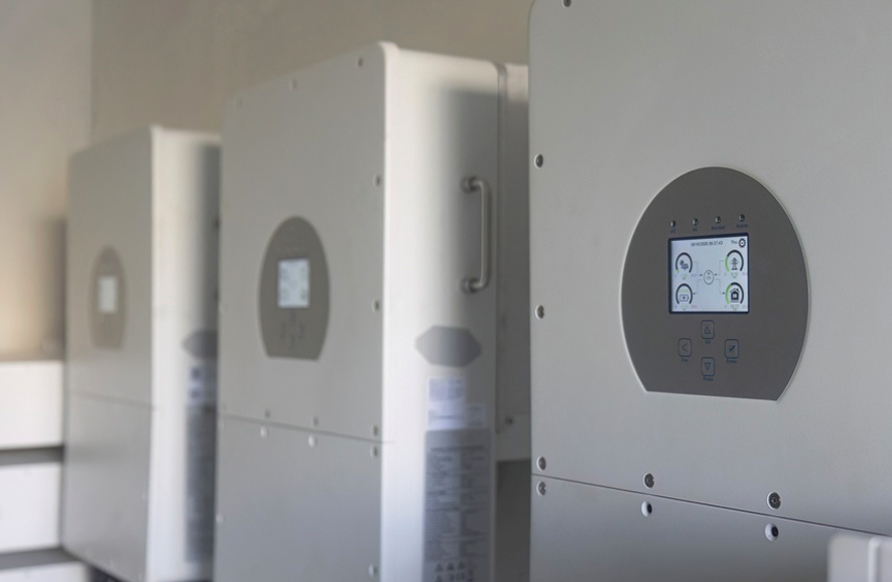
Every hybrid inverter has a maximum supported storage capacity, and it’s often lower than the battery platform’s own maximum. You can hit the inverter’s ceiling with the battery only half expanded. That’s the point at which expansion stops being an option and the conversation becomes about a second system or a replacement — and it’s the single most useful thing the checker above tells you.