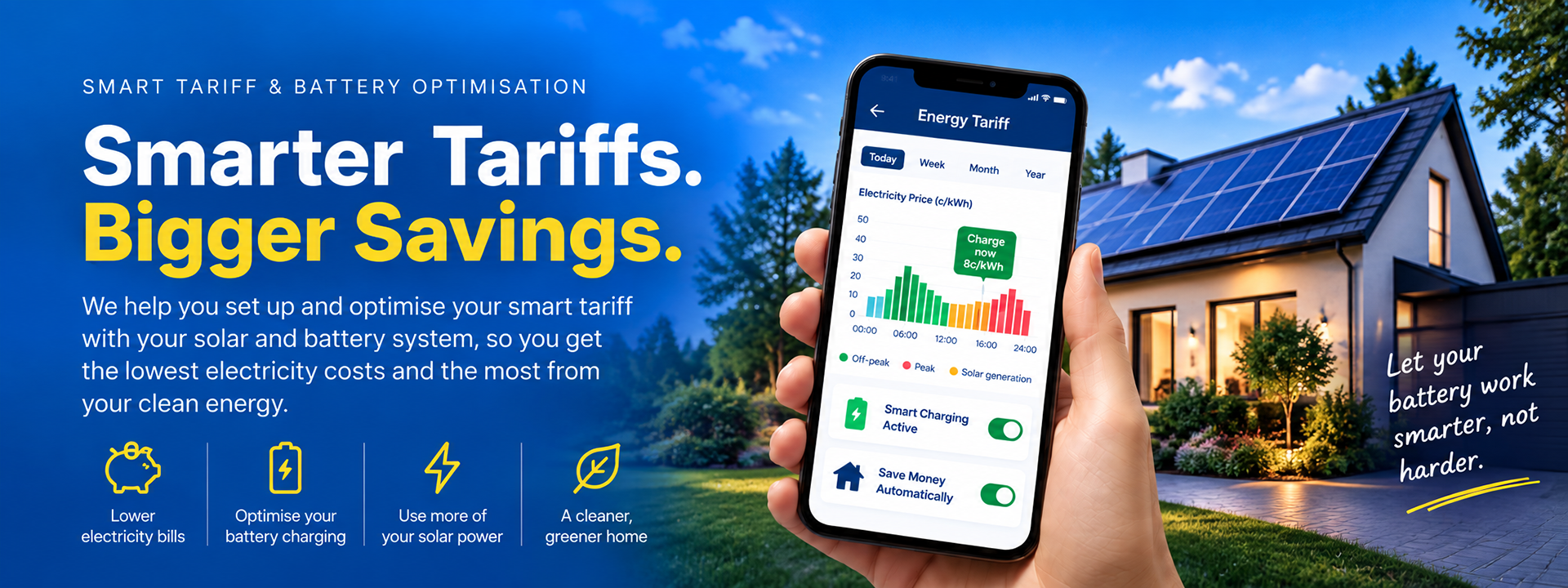
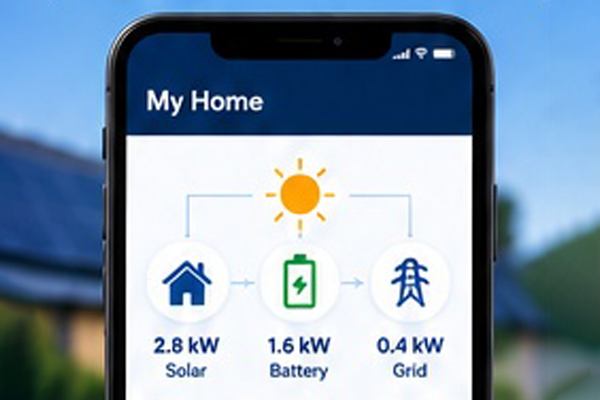
We can help you set up and optimise smart tariffs with
Get the most from your battery
We configure your battery to charge at the cheapest times, use your solar power efficiently and reduce your reliance on expensive peak-rate electricity.
We explain your tariff and the best times to charge, use and export energy.
Optimise your system
We set up and configure your battery and inverter to work properly with your tariff.
Automate your savings
Once set up, your system runs automatically, so you save money without having to think about it.
Reduce your carbon footprint
Use more renewable energy, rely less on the grid and help create a cleaner, greener future.
Smarter energy today.
A cleaner tomorrow.
Our team will help you choose the right smart tariff, configure your system and make sure you’re getting the maximum savings from your solar and battery.
A home battery can do much more than store excess solar. With the right electricity tariff and battery settings, a compatible battery can charge when electricity is cheaper and supply your home when grid electricity is more expensive.
The objective is not simply to maximise self-consumption. It is to reduce the overall cost of the electricity your home uses while making sensible use of your solar generation, battery capacity and export tariff.
Charge when electricity is cheaper
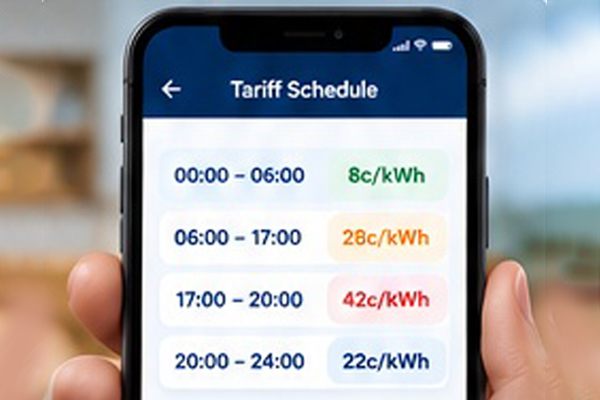
Where your smart tariff provides lower-cost electricity overnight or during specific off-peak periods, your battery may be configured to charge during those windows. The stored electricity can then be used later during more expensive daytime or peak-rate periods.
Your battery strategy should change with the seasons
In winter, lower solar generation can make overnight grid charging more important. During summer, it may make sense to leave more battery capacity available for excess daytime solar. Spring and autumn can require a blend of both strategies.
What We Review
Day, night, peak and EV charging tariff periods.
Your current solar export payment.
Your PV system size and seasonal generation.
Battery capacity, charge rate, discharge rate and reserve settings.
Household usage including EVs, heat pumps and electric hot water.
Grid-charging schedules and battery operating modes.
Battery systems we can assess
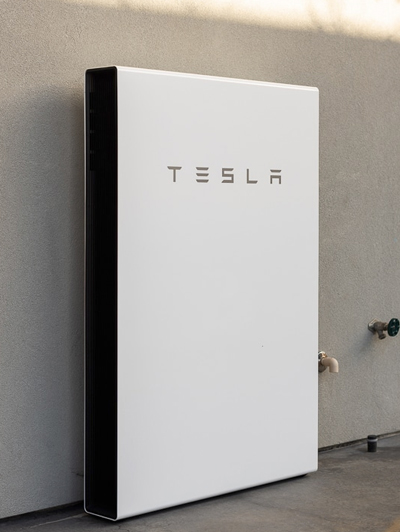
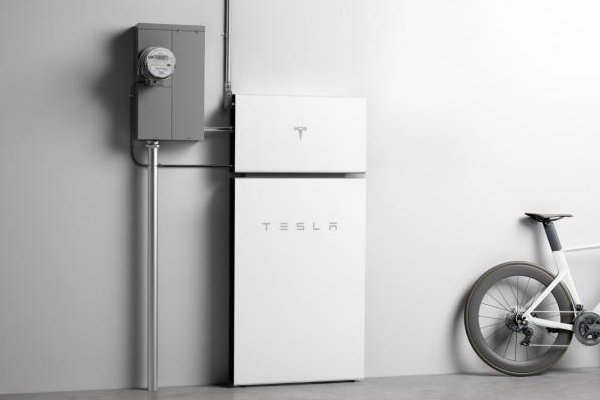
We can review compatible systems from manufacturers including Sigenergy, Tesla Powerwall, Huawei LUNA, FoxESS, Solis, myenergi libbi, Sungrow, Growatt and GivEnergy. Available functionality varies by system and model.
Frequently Asked Questions
Should I charge my solar battery from the grid at night?
It can make sense where your off-peak rate is materially cheaper than the rate you would otherwise pay later. Export value, battery efficiency and expected solar generation also need to be considered.
Should I charge my battery to 100% every night?
Not necessarily. The appropriate charge level depends on expected consumption, solar generation, battery capacity, tariff structure and manufacturer requirements.
Should I leave space in my battery for solar?
Often yes during stronger solar periods, although the financial benefit depends on your import rate, export rate and battery charging strategy.
What is the best battery setting for winter in Ireland?
There is no universal setting. Winter often creates a stronger case for grid charging during low-cost periods because solar generation is lower.
Can Sigenergy, Tesla, FoxESS, Solis and Huawei batteries be scheduled?
Many modern battery platforms provide timed charging or energy-management functionality. The exact controls depend on the inverter, battery model and system configuration.
Find out if your battery is properly optimised
Send us your electricity bill, battery and inverter details and your solar system size. We can assess how your system is currently configured and identify potential improvements.